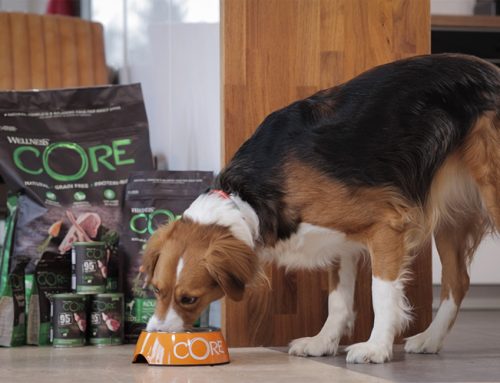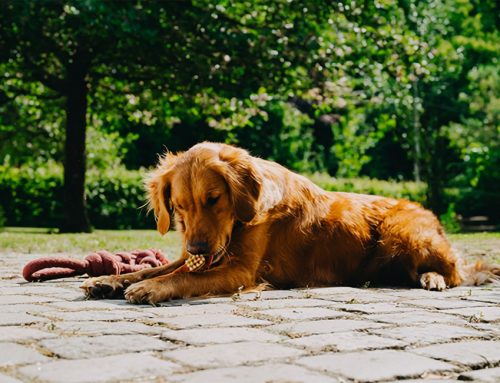
For centuries, dogs have stuck by their humans through thick and thin. Get to know some of the breeds with a well-known reputation for loyalty and devotion.
For thousands of years, humans and dogs have shared a special bond built on trust, protection, and companionship. Early dogs helped with hunting and guarding, while people provided shelter and food. That partnership evolved into today's deep connection-one that earns dogs their title as "man's best friend.
While every dog has the potential to be loyal, certain breeds are especially known for their devotion. But if you have a mixed-breed pup, you may wonder: What role does breed play in loyalty? And how can you uncover the traits that make your dog who they are? The answer lies in understanding their ancestry – and the most reliable way to do that is through DNA testing.
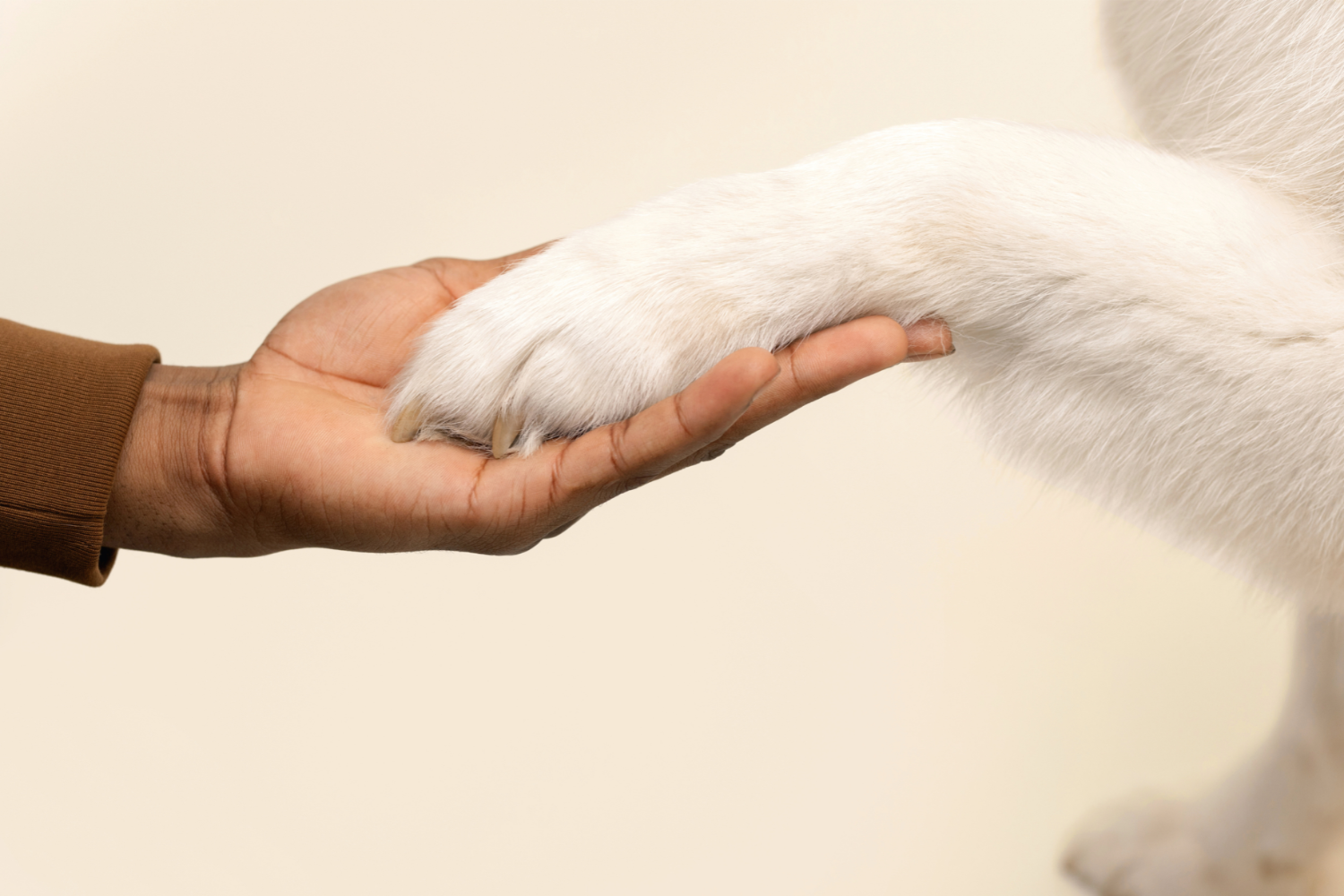
Signs of Loyalty in Dogs
No matter the breed, loyal dogs often display a few telltale behaviours:
- They follow you everywhere. Some pups shadow their humans from room to room (and may even wait outside the bathroom door).
- They show protective instincts. A loyal dog senses when something seems off and positions themselves as your guardian.
- They make eye contact. Gazing into your eyes is a sign of trust and emotional connection.
- They aim to please. Responsive to training and eager for approval, loyal dogs thrive on positive reinforcement.
- They crave affection. Seeking cuddles and closeness often reflects a strong bond.
These behaviours are influenced by environment, upbringing, and training – but genetics also play a role.
Breeds Known for Loyalty
Over time, some breeds earned reputations for extraordinary devotion:
- Great Pyrenees – Confident guardians who watch over livestock and families alike.
- German Shepherd – Intelligent, protective, and highly bonded to their humans.
- Akita – Famous for unwavering loyalty, exemplified by Hachiko, the dog who waited at a train station for his late owner for nine years.
- Collie – Compassionate and especially attentive with children.
- Boxer – Gentle, playful, and protective of their families.
- Brittany – Energetic companions eager to be by their owner's side.
- Labrador Retriever – Friendly, affectionate, and excellent family dogs.
- Yorkshire Terrier – Small but fearless, thriving on attention and affection.
- Dachshund – Big-hearted watchdogs in a small package.
But here's the challenge: unless your dog is a purebred, it's often impossible to know just how much of these breeds (and their loyal tendencies) influence your pup. Visual guesses are notoriously unreliable – studies show even experts misidentify dog breeds by appearance about 75% of the time.
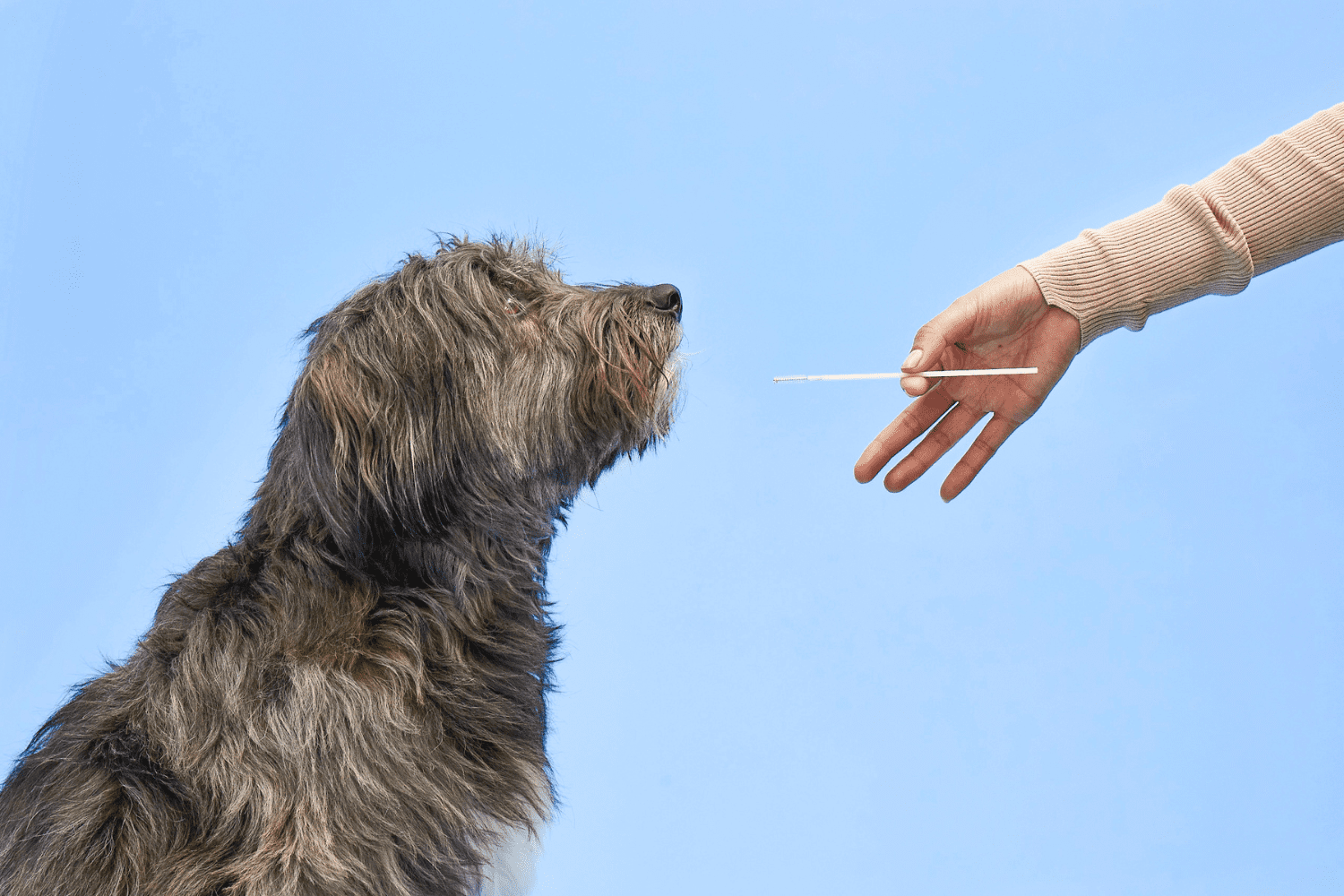
Where DNA Testing Comes In
This is where dog DNA testing makes all the difference. Instead of guessing, a DNA test analyses your dog's genetic makeup and compares it against a large database of breeds. The results can reveal your pup's ancestry down to just 1%, tracing back multiple generations.
Why does this matter for loyalty? Because breed-related traits often influence a dog's behaviour, energy levels, and protective instincts. Knowing whether your dog has herding ancestry (like Collie or Australian Cattle Dog) or guarding lineage (like Akita or German Shepherd) can help you better understand – and nurture – their natural tendencies.
But the benefits go beyond behaviour. Many DNA tests, including Wisdom Panel, also screen for genetic health risks and traits. This knowledge allows you to take proactive steps in your dog's care, from tailoring their diet to watching for conditions common in certain breeds.
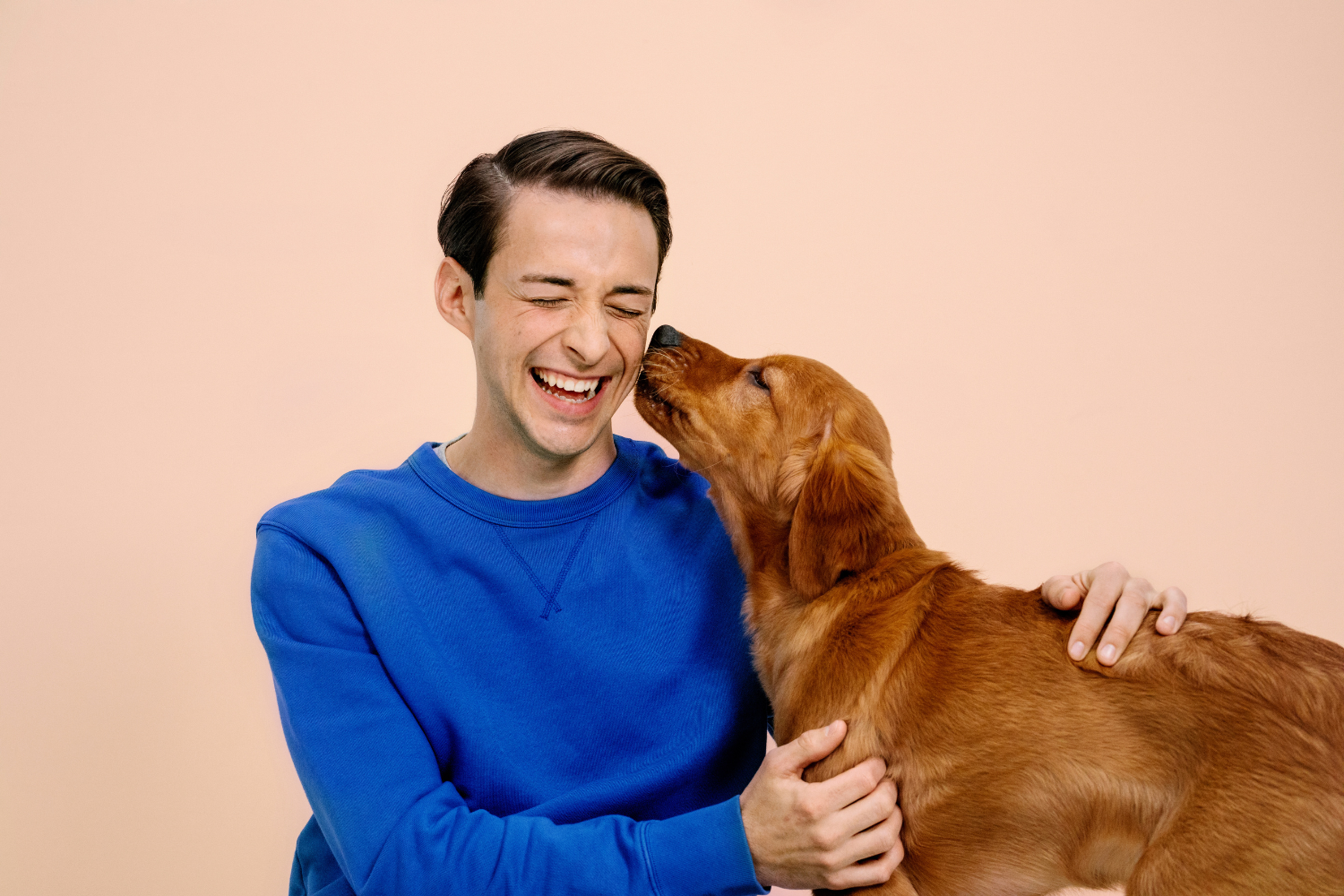
Strengthening the Bond with Your Dog
Of course, genetics are only part of the picture. Loyalty grows through trust, respect, and shared experiences. Here are a few ways to deepen your connection:
- Spend quality time through walks, play, and cuddles.
- Train with consistency to build respect and confidence.
- Use positive reinforcement to reward good behaviour.
- Encourage socialisation so your pup learns to trust you in new environments.
Final Thoughts
Loyalty is one of the greatest gifts dogs offer their humans. While environment and training shape much of this bond, understanding your dog's genetic heritage can shed light on their unique instincts and behaviours.
DNA testing not only answers the question, "What breed is my dog? but also helps you provide care that strengthens their health, happiness, and lifelong devotion.
With science on your side, you're not just learning about your dog's past – you're unlocking insights that will enrich your future together.
Learn more here.